Ashton Hall: A Journey Through Centuries of English Heritage
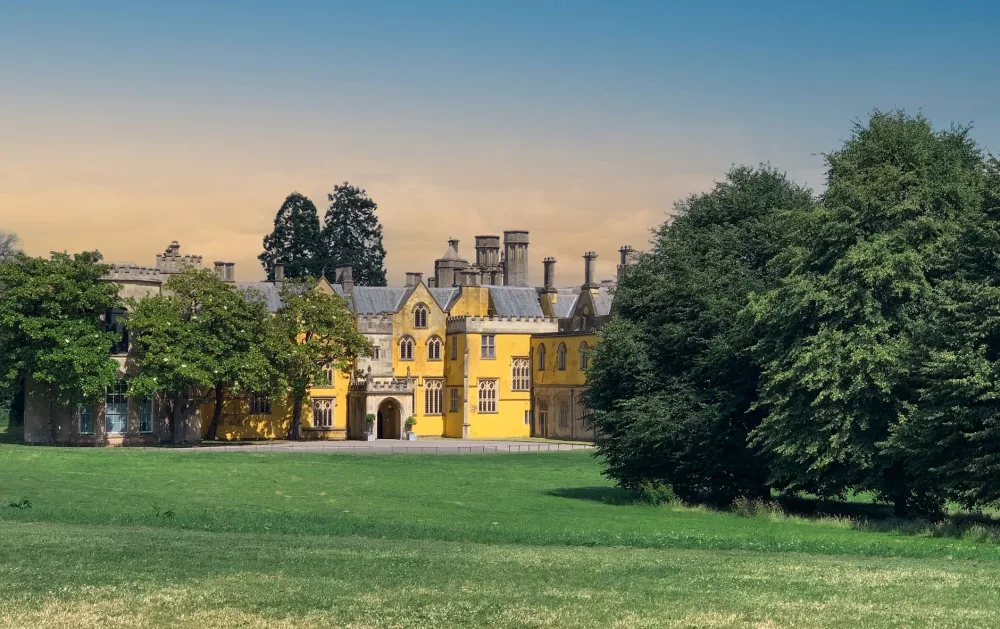
Unveiling Ashton Hall: A Timeless English Estate
When you first encounter Ashton Hall, nestled just south of Lancaster, Lancashire, it’s hard not to feel an immediate sense of history washing over you. This isn't just an old building; it’s a living narrative, a stone-built chronicle of English aristocratic life, architectural shifts, and continuous adaptation over more than six centuries. I've always been quite drawn to places like this, where every brick seems to tell a story, and Ashton Hall certainly doesn't disappoint in that regard.
Standing proudly as a Grade I listed building, Ashton Hall today serves as the magnificent clubhouse for Lancaster Golf Club. But its current role only scratches the surface of its incredibly rich and complex past. From its medieval origins as a fortified manor to its grand Victorian expansions, this estate has seen it all, embodying the changing tastes and needs of the powerful families who called it home.
The Earliest Footprints: Medieval Origins
Our story really begins in the 14th century, or even earlier, with the Ashton family, who gave the hall its enduring name. Originally, I imagine it looked quite different from the sprawling structure we see now. Records suggest that by 1381, Roger de Ashton held a manor here. What was it like? Likely a fortified pele tower or a smaller manor house, designed for defense as much as for comfort, reflecting the often turbulent times of medieval England.
We don't have many concrete details about that initial period, but we know it established the footprint and the prestige of the site. It was a statement of power, a visible sign of the Ashton family's influence in the region. Think about the skill it must've taken to construct such a place back then, with limited tools and without all our modern conveniences. It's truly mind-boggling!
A Flourish of Tudor and Jacobean Grandeur
Fast forward a couple of centuries, and Ashton Hall began its first major transformation. The Ashton family eventually faded from the direct lineage, and by the late 16th century, the estate found its way into the hands of the Croft family. They acquired it in 1599, and with their arrival came significant changes that began to shape the hall into something more recognisable to us today.
It was under the Crofts that Ashton Hall really began to shed some of its medieval austerity, embracing the more expansive and decorative styles of the Elizabethan and Jacobean eras. Imagine the large, mullioned windows being installed, allowing more light into the grand rooms. Picture the intricate plasterwork and timber panelling that would have adorned the interiors, making it a comfortable, impressive residence fit for a prominent gentry family. These were the times when grandeur started to truly emerge in English country houses, and Ashton Hall was very much a part of that trend. They weren't just building houses; they were crafting legacies.
The Georgian Interlude and Victorian Reawakening
The 18th century brought another wave of alterations. While not as dramatic as the later Victorian additions, the Georgian period undoubtedly saw some refinements, probably in line with the neoclassical tastes of the time. Perhaps some of the more elaborate Jacobean features were toned down, or new, more symmetrical wings were added. It's interesting how these houses keep evolving, isn't it?
However, it was the Victorian era that witnessed arguably the most extensive and dramatic reshaping of Ashton Hall. By this time, the estate was owned by the Coulthurst family, who purchased it in 1853. They embarked on an ambitious program of rebuilding and expansion, employing the renowned Lancaster architectural practice of Paley and Austin. Specifically, Hubert Austin was the mastermind behind much of the Victorian Gothic Revival style we see today.
What did they do? Well, they practically reimagined the hall. They added battlements, turrets, and new wings, giving it that romantic, almost fairytale castle-like appearance. It was a conscious effort to evoke a sense of ancient history, even while using modern Victorian construction techniques. I find that fascinating – how they blended the old with a romanticized vision of the past. The scale of the project must have been immense, and the result is a truly imposing and beautiful structure that commands attention.
- Key Victorian Additions:
- Extensive new wings and towers.
- Prominent use of Gothic Revival architectural elements.
- Creation of grand interiors reflecting Victorian opulence.
From Private Estate to Golfing Retreat
As the 20th century dawned, many grand country houses faced an uncertain future. The costs of maintenance, changing social structures, and two world wars often spelled the end for private ownership. Ashton Hall was no exception.
Thankfully, instead of falling into disrepair or being demolished, Ashton Hall found a new lease on life in 1913 when it was acquired by the newly formed Lancaster Golf Club. This transition marked a significant turning point. The hall, with its magnificent rooms, became the perfect clubhouse, offering a unique blend of historic charm and modern amenities for its members. I think it’s a brilliant example of adaptive reuse, preserving a historical gem while giving it a vibrant, new purpose.
Walking through the clubhouse today, you can still experience the grandeur. You’ll see the large fireplaces, the impressive staircases, and perhaps even some of the original architectural details that Hubert Austin so carefully crafted. It's quite something to play a round of golf and then relax in a building that has centuries of stories embedded in its walls.
Architectural Highlights You Can't Miss
When you're exploring Ashton Hall, there are a few architectural elements that I think really stand out and capture its journey:
- The 14th-Century Tower: Look closely, and you might still discern remnants of the earliest defensive tower, often incorporated into later additions. It’s a tangible link to its medieval past.
- Victorian Grandeur: The most striking features are undoubtedly the battlements, turrets, and the sheer scale of the Victorian additions. These elements give it its distinctive castellated silhouette.
- Mullioned Windows: Throughout the older sections, you’ll find stone mullioned windows, indicative of its Tudor and Jacobean transformations.
- Interior Detailing: Inside, keep an eye out for impressive timberwork, decorative plaster ceilings, and large, ornate fireplaces, particularly in the main reception rooms now used by the golf club. They really transport you back in time.
Ashton Hall's Enduring Legacy
Ashton Hall isn't just a fascinating architectural specimen; it's a significant part of Lancashire's heritage. It stands as a powerful reminder of the wealth, power, and evolving tastes of England's gentry and aristocracy. Its continued existence, thanks to the stewardship of Lancaster Golf Club, means that future generations can still appreciate its beauty and historical resonance.
It really makes you think about how buildings adapt, doesn't it? How they absorb layers of history, each generation leaving its mark. Ashton Hall is a wonderful example of resilience and beauty, a place where the echoes of the past meet the enjoyment of the present. It’s certainly a place I’d recommend visiting if you ever find yourself in the Lancaster area.
About Editorial Team
Senior columnist and culture critic specializing in architectural designs, emerging high-growth systems, and contemporary philosophies.
All Categories
Recent Posts