Elevate Your Desktop: A Deep Dive into 3D Wallpapers for PC
Hey there! So, you're looking to jazz up your PC desktop, huh? I totally get it. That static image you've had for ages might be getting a little... well, *boring*. You've probably seen those super cool setups online, maybe with a city skyline that looks like it's actually moving, or a futuristic interface that reacts to your mouse. That's where 3D wallpapers come in, and let me tell you, they can absolutely transform your digital workspace from bland to grand. I've spent a fair bit of time exploring these, and I'm pretty excited to share what I've learned about bringing that extra dimension to your screen!
What Exactly Are 3D Wallpapers, Anyway?
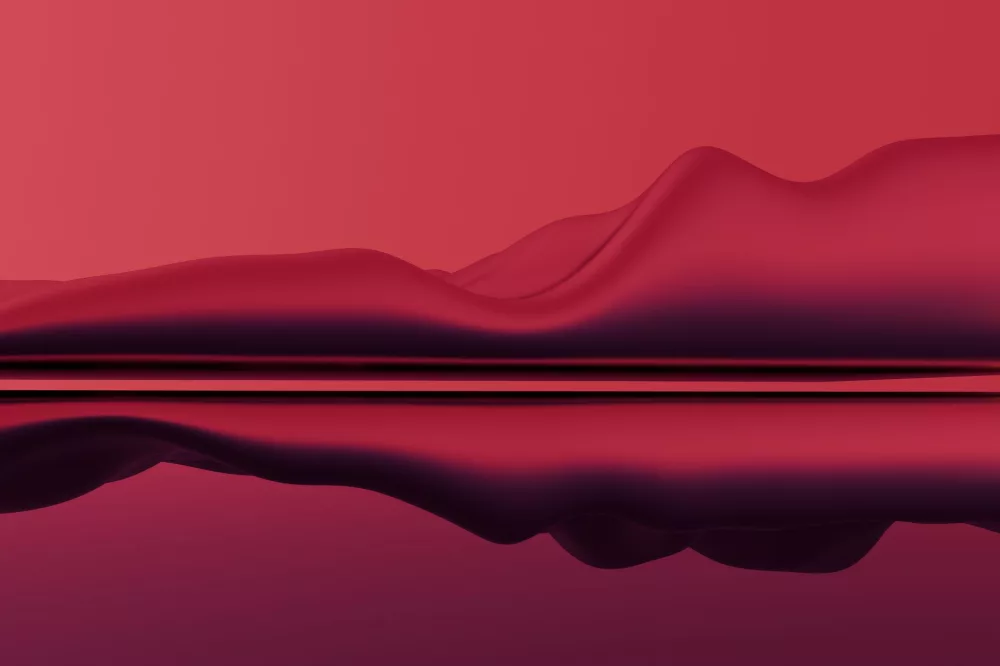
When we talk about 3D wallpapers for your PC, we're not just talking about an image that *looks* like it has depth. While some static images use clever perspective and shading to create that illusion, true 3D wallpapers often incorporate animation, parallax effects, or even interactive elements that react to your system or mouse movements. It's about breaking free from the flat, two-dimensional world and adding a layer of dynamic visual richness to your desktop.
Think of it this way: instead of just a picture, you get a mini-environment. It could be anything from a serene forest with swaying trees to a bustling cyberpunk city at night, complete with rain effects and neon signs reflecting in puddles. The goal is immersion, making your desktop feel less like a passive background and more like a living, breathing part of your computer's personality. It's a fantastic way to personalize your machine beyond just icons and color schemes.
The Many Flavors of 3D Wallpapers
Not all 3D wallpapers are created equal, and that's actually a good thing because it means there's a type for almost everyone!
- Static 3D Wallpapers: These are essentially high-quality, still images designed with incredible depth of field, perspective, and lighting that trick your eye into seeing a 3D scene. They don't move, but the artistic execution is often so good, you'd swear there's more to it. These are great if you want the 3D aesthetic without any performance hit.
- Live/Animated 3D Wallpapers: Now we're talking motion! These wallpapers feature looping animations, particle effects, or subtle movements that bring the scene to life. Imagine watching a distant galaxy slowly spin or raindrops gently falling down your screen. They add a lot of flair, but naturally, they use a bit more of your system's resources than a static image would.
- Parallax Wallpapers: These are a personal favorite of mine. Parallax wallpapers create an illusion of depth by moving background layers at a slower rate than foreground layers when you move your mouse. It’s like looking through a window and shifting your head a little—the closer objects appear to move more than the distant ones. It's a subtle effect, but incredibly immersive and really makes your desktop feel alive without constant, jarring movement.
- Interactive 3D Wallpapers: This is where things get really fun. Interactive wallpapers can react to your mouse clicks, keyboard presses, music playback, or even display system information like CPU usage or time. Some are like mini-games, others are dynamic visualizations. They're often the most resource-intensive but offer the highest level of engagement and personalization.
Where Can You Find These Awesome Wallpapers?
Finding quality 3D wallpapers used to be a bit of a scavenger hunt, but now there are some really fantastic resources out there. I typically recommend a few go-to spots:
The King of Live Wallpapers: Wallpaper Engine
If you're serious about live and 3D wallpapers, Wallpaper Engine on Steam is practically mandatory. It's a paid software, but honestly, it's worth every penny. You get access to a massive, community-driven library of thousands upon thousands of wallpapers—static, animated, interactive, audio-reactive, you name it. Its interface is super user-friendly, and it lets you customize things like playback speed, colors, and even create your own wallpapers. Plus, it has options to pause wallpapers when you're playing games or using full-screen applications, which helps a lot with performance.
Other Software Solutions
There are other programs, like DeskScapes by Stardock, which has been around for ages and offers a good selection of animated backgrounds. Some creative folks also use tools like Rainmeter to build highly customized desktops with 3D elements, though Rainmeter is more about widgets and overlays than just a background. For static 3D images, sites like WallpaperFlare, Pexels, or even DeviantArt have huge collections; just make sure to filter for '3D' or 'abstract' and check the resolution.
Setting Up Your New 3D Desktop Masterpiece
Once you've picked out a wallpaper or a software suite, how do you actually get it on your screen?
For Static 3D Images (Windows)
- Download: Grab your chosen image (usually a JPG or PNG) from a reliable source.
- Right-click Desktop: Right-click anywhere on an empty spot on your desktop.
- Personalize: Select 'Personalize' from the context menu.
- Browse: Under the 'Background' section, make sure 'Picture' is selected in the dropdown. Then click 'Browse' and navigate to where you saved your image.
- Choose Fit: Select a fit that looks best (e.g., 'Fill', 'Fit', 'Stretch'). I usually go with 'Fill' for high-resolution images.
For Animated/Interactive Wallpapers (Using Wallpaper Engine as an example)
This process is a bit different as you're using dedicated software:
- Purchase and Install: Buy Wallpaper Engine on Steam and install it.
- Launch Application: Open Wallpaper Engine. It typically runs in the background.
- Browse Workshop: You'll see a 'Discover' or 'Workshop' tab. This is where the magic happens. Browse categories, search for keywords (e.g., 'cyberpunk 3D', 'nature animated'), and preview wallpapers.
- Subscribe/Download: Once you find one you like, click 'Subscribe' to download it.
- Apply: After downloading, it usually applies automatically. You can then go into the 'Installed' tab to see your downloaded wallpapers and easily switch between them.
- Customize Settings: Look for the gear icon or 'Settings' within Wallpaper Engine. Here, you can adjust frame rates, playback rules (pause when gaming), and specific settings for individual wallpapers (like color themes or interactivity options).
Considerations: Performance and Practicality
Alright, so 3D wallpapers are undeniably cool, but it's important to be realistic about their impact. I've definitely learned this the hard way!
- Resource Usage: Animated and interactive wallpapers, especially those from Wallpaper Engine, can consume CPU, GPU, and RAM. If you have an older PC or a low-end laptop, a very complex 3D wallpaper might slow things down a bit, particularly if you're also running demanding applications or games.
- Battery Life: For laptop users, this is a big one. Running a constantly animated background will absolutely drain your battery faster than a static image. Many programs like Wallpaper Engine have options to pause the wallpaper when on battery power, which is a lifesaver.
- Distraction: While awesome, a very busy 3D wallpaper can sometimes be distracting, especially if you're trying to focus on work. It's a balance between aesthetics and functionality.
My advice? Experiment! Start with something relatively simple and see how your system handles it. Most wallpaper software lets you monitor resource usage, so keep an eye on that. You can always dial back the complexity or switch to a static 3D image if performance becomes an issue. There's no shame in prioritizing a smooth computing experience.
Choosing the Perfect 3D Wallpaper for You
With so many options out there, picking one can feel a bit overwhelming. Here are a few things I keep in mind:
- Your PC's Specs: As we just talked about, this is probably the most practical consideration. Don't push your machine too hard if it's not built for it.
- Resolution Match: Always try to find wallpapers that match your monitor's native resolution (e.g., 1920x1080 for Full HD, 3840x2160 for 4K). This ensures the sharpest, clearest image without stretching or pixelation.
- Theme and Vibe: What kind of mood do you want for your desktop? Serene nature, futuristic tech, abstract art, something quirky? Browse different categories until something resonates with you.
- Subtlety vs. Spectacle: Do you want something that's subtly animated and blends into the background, or a real showstopper that demands attention? Both are great, it just depends on your preference.
- Personalization Potential: If you're using software like Wallpaper Engine, check if the wallpaper has customizable options. Being able to tweak colors or effects can really make it feel like *yours*.
Ultimately, 3D wallpapers offer an incredible way to inject personality and dynamism into your PC experience. They can make your desktop feel more alive, more immersive, and just plain cooler. Don't be afraid to try different styles, experiment with various software, and find what truly clicks with your personal aesthetic. Your desktop is your digital canvas, so why not make it spectacular?
About Editorial Team
Senior columnist and culture critic specializing in architectural designs, emerging high-growth systems, and contemporary philosophies.
All Categories
Recent Posts